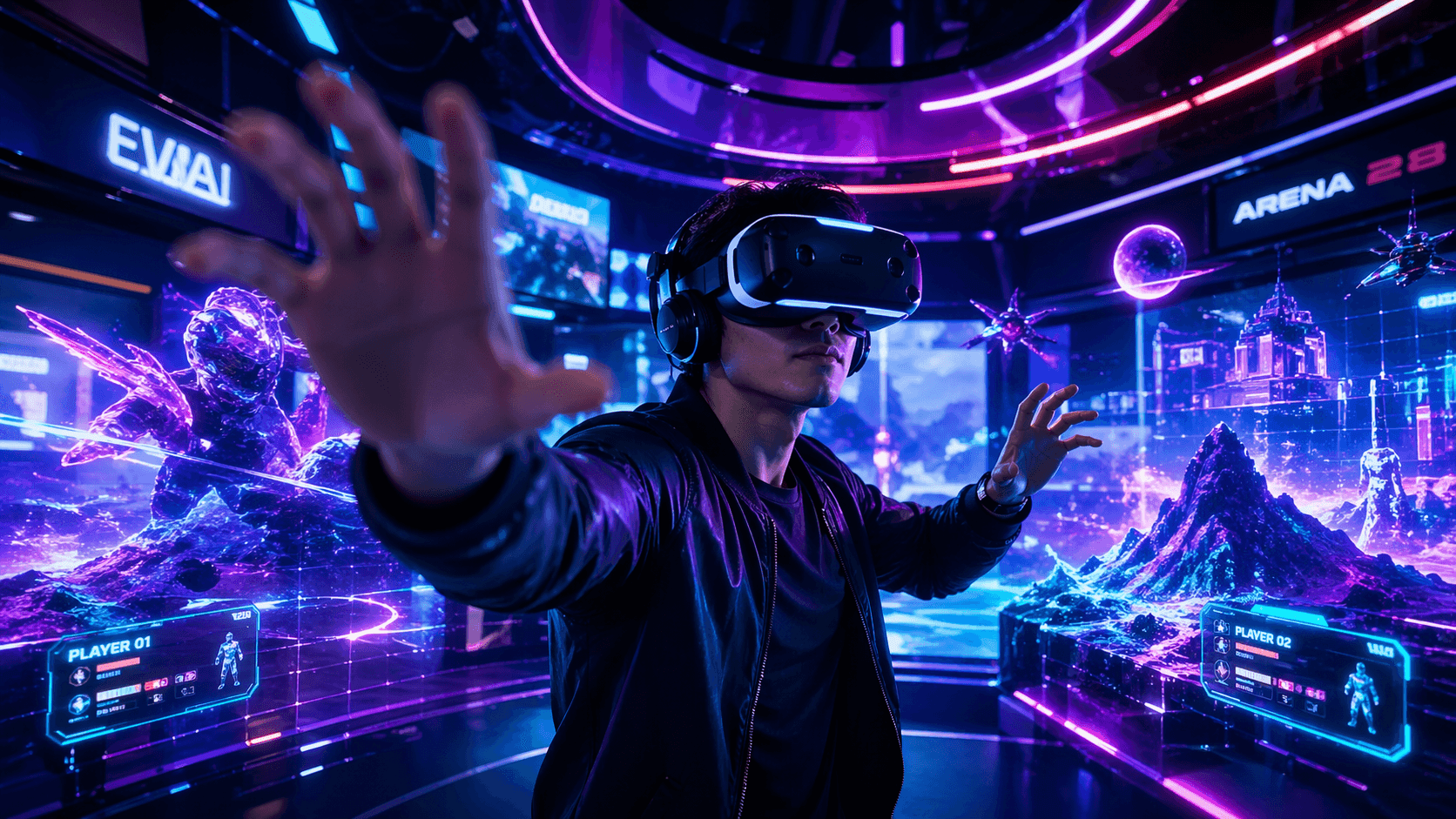
The Science of Immersive Entertainment in Gaming
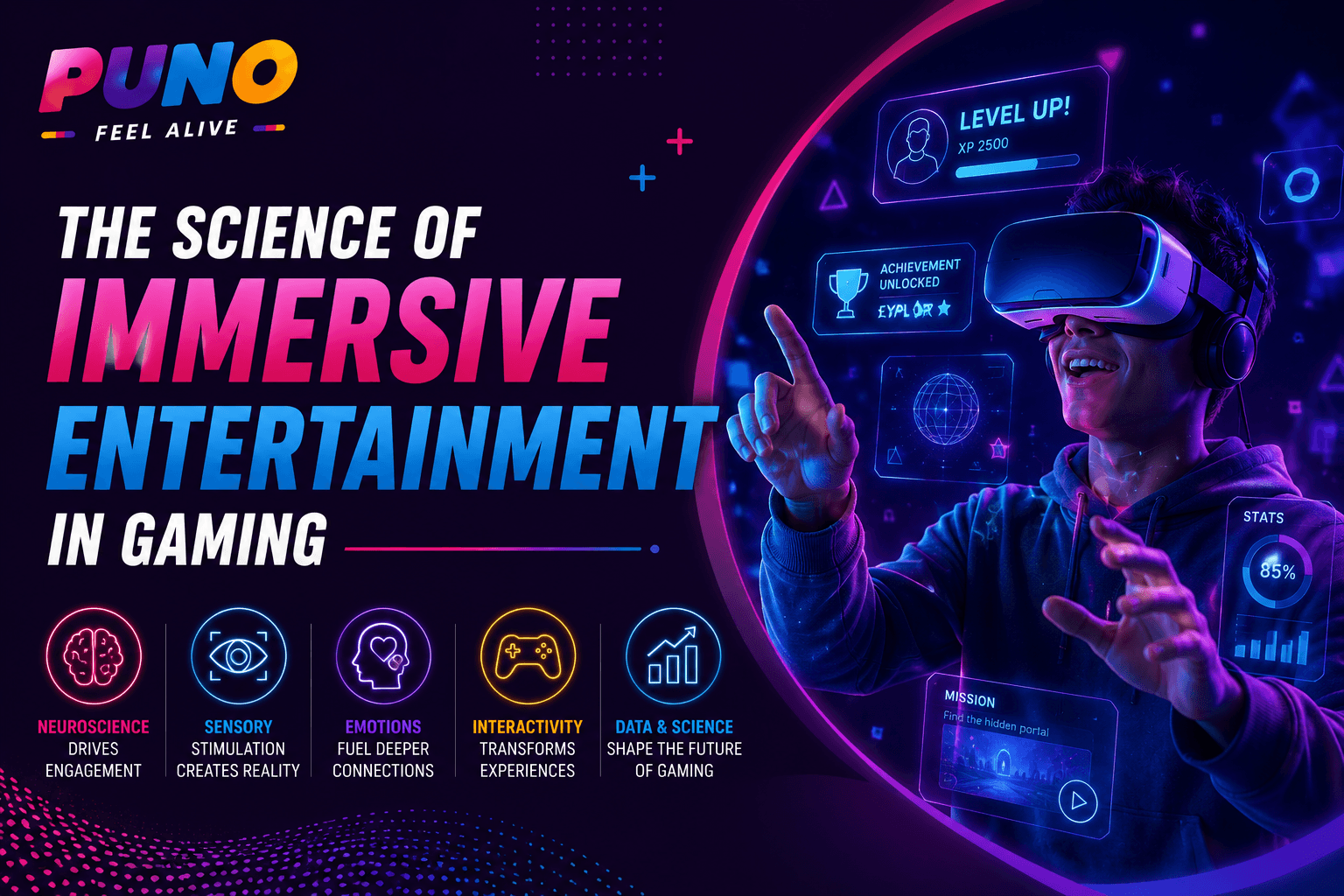
"The science of immersive entertainment combines technology, psychology, and interactive design to create engaging gaming experiences. From VR and sensory stimulation to real-time interaction, immersive gaming keeps players connected, challenged, and entertained."
Whether you run a bustling co-working space, a forward-thinking cafe, or a trendy boutique hotel, offering unforgettable entertainment experiences is one way to stand out in today’s competitive landscape. With the rapid rise of immersive gaming, business owners are discovering fresh opportunities to engage customers and boost brand value. But what exactly is it that makes immersive gaming so revolutionary in the world of entertainment?
The Power of Entertainment: Why Immersive Gaming Captivates
From neon-lit arcades in the ‘80s to today’s ultra-realistic virtual reality setups, gaming has always been about more than just pixels and scores-it’s about connection, excitement, and escape. For business owners, understanding the science behind immersive gaming isn’t just trivia. It’s a chance to tap into what makes modern entertainment irresistible.
Imagine a customer walking into your space and, minutes later, being transported to a world where they're racing supercars on virtual tracks or collaborating with friends to outwit foes in a fantasy landscape. These experiences stick with people, turning ordinary visits into stories worth sharing.
The Neuroscience of Fun: Why Our Brains Love Gaming
The real magic of immersive gaming lies in our brains. When customers dive into well-designed digital worlds, their senses are flooded with sights, sounds, and challenges. This triggers the brain to release dopamine- the “feel good” hormone associated with pleasure and motivation. Essentially, immersive games create rewarding feedback loops where players feel challenged, celebrated, and connected.
For business owners, this means entertainment options like collaborative VR stations or interactive e-sports arenas can create powerful, memorable moments. These are experiences guests want to return for-and tell friends about.
Breaking Down Immersion: The Building Blocks
So, what transforms an ordinary game into an immersive adventure? It’s not just fancy technology or flashy graphics. Three core elements work together to create the sense that players are “inside” another reality:
Presence: The sensation of really being there. High-definition visuals, surround sound, and motion tracking help achieve this ‘wow’ factor.
Interactivity: Freedom to explore, make choices, and shape outcomes. Games that let people affect the world around them create a sense of agency and engagement.
Storytelling: Engaging narratives help players connect emotionally. A captivating story can be as simple as a race against time or as complex as a branching fantasy epic.
Entertainment in Action: Where Immersive Gaming Thrives
From corporate lounges to pop-up experiences, immersive gaming is no longer limited to the living room. Businesses across sectors are adding gaming elements for both staff and customers, and not just as a novelty-it’s entertainment that serves a purpose.
Here’s how immersive gaming is being embraced:
Team Building: Multiplayer experiences foster collaboration and friendly competition, ideal for corporate groups.
Event Hosting: Interactive games turn ordinary functions into memorable entertainment, keeping guests talking long after the event ends.
Customer Engagement: Unique gaming setups can keep visitors engaged during busy hours, turning wait times into brand-building moments.
Choosing the Right Gaming Experience for Your Venue
Getting the entertainment mix right is crucial. Consider your brand, your clientele, and the physical space you have to work with. While the latest VR headset might wow some guests, a simple multiplayer station can sometimes spark just as much engagement, especially if it’s social and easy to access.
Here are a few things to weigh up as you explore your options:
Accessibility: Is the setup user-friendly? Guests of all backgrounds should be able to jump in and start playing within minutes.
Space Requirements: Do you have enough room for movement-based setups, or is a seated, screen-based experience more practical?
Technology Upkeep: Will you need dedicated staff to maintain and troubleshoot equipment?
Focus on experiences that complement your brand’s atmosphere and the kind of entertainment your guests already love.
Practical Tips: Making Immersive Gaming Work in Your Business
Immersive gaming isn’t just about the hardware. The way you introduce and support these experiences matters too. Business owners who see the most success follow a few tried-and-true practices:
Offer simple instructions and dedicated support to make new players feel comfortable.
Keep technology up-to-date for smooth, glitch-free entertainment.
Rotate games or experiences regularly to keep things fresh and encourage repeat visits.
Entertainment Buying Guide: What to Consider
When investing in immersive gaming for your venue, quality and longevity matter as much as the wow factor. Look for reputable brands and products that come with good support. Think about sustainability-systems with modular parts or upgradeable components can extend your investment and reduce waste. Finally, stay mindful of privacy policies, especially if you’re collecting player data for leaderboards or loyalty programs.
Conclusion: Stepping into the Future of Entertainment
The science behind immersive gaming experiences isn’t just fascinating-it’s deeply practical for today’s business owners. By understanding what makes these experiences so captivating, you’re in a better position to choose, implement, and benefit from entertainment that leaves a lasting impression.
Ready to explore how immersive gaming could fit your business? Start small: pilot a setup, gather feedback, and see how your guests respond. The future of customer engagement may be more fun-and more immersive-than you ever imagined.